
What Happens During a Pilates Studio Session? From Check-In to Post-Workout

Updated: 2 days ago
Visiting a Pilates studio for the first time can feel both exciting and a little overwhelming. Reformer machines, with their springs, straps, and moving carriages, may look fascinating, but they can also leave beginners wondering: Where do I start? Do I need to know the exercises beforehand? And can I shower, change, and continue with my day after class?
In reality, a Pilates studio session usually follows a fairly clear structure, from preparing for class and getting familiar with the equipment to performing exercises under the guidance of an instructor.
If you're getting ready for your first Pilates class, here's what to expect from the moment you check in until you leave the studio, so you can feel more confident and comfortable throughout the experience.
Before Your Pilates Class: What Should Beginners Prepare?
A smooth Pilates experience often begins with a few simple preparations before arriving at the studio.
First, check your class time, studio address, and any requirements for new participants. If you've never practiced Pilates before, consider contacting the studio to find a class that matches your experience level.
For clothing, choose comfortable leggings or stretchy athletic pants paired with a well-fitting workout top that allows you to move freely.
Your outfit doesn't need to be elaborate, but it should feel comfortable when lying down, sitting, rotating your body, or performing exercises on equipment.
Many studios require grip socks for Reformer Pilates, so it's worth checking the studio's policy before attending.
Here are a few items you may want to bring:
Comfortable, stretchy Pilates clothing.
Grip socks, if required by the studio.
A personal water bottle.
A small towel or personal hygiene essentials, if needed.
A change of clothes if you have other plans after class.
It's also best to avoid eating a very large meal immediately before exercising. If you need extra energy, choose a suitable snack and timing based on your digestion and personal comfort.
Importantly, if you have an injury, are pregnant, or have a health condition that may affect your movement, seek advice from an appropriate healthcare professional when necessary and inform your instructor so the exercises can be adjusted accordingly.
If you're unsure what to wear, explore What to Wear to Pilates: How to Choose Your Outfit and What to Bring for more preparation tips.

What Happens When You Arrive at a Pilates Studio?
When you arrive at a Pilates studio, the experience usually begins with check-in or class confirmation.
Depending on the studio's procedures, staff may verify your booking, show you where to store your belongings, and introduce basic facilities such as changing rooms and restrooms.
For first-time participants, some studios may also ask about your exercise experience, training goals, or anything the instructor should know before class.
This is a good opportunity to mention if you've never used a Reformer, are unfamiliar with Pilates, or feel concerned about certain movements.
After checking in, you can change into your workout clothes, store your personal items, and get ready to enter the exercise area.
If possible, arrive around 10–15 minutes early for your first class, or follow the studio's specific instructions.
This gives you time to become familiar with the environment without feeling rushed.
When class begins, the instructor may introduce the session, show you where to position yourself, and explain any important guidelines.
Not every studio follows exactly the same process, but the general aim is to help participants understand what to do before starting their workout.
What Happens During a Pilates Class?
The main part of your Pilates studio experience takes place in the exercise area, where you'll become familiar with movement principles and perform exercises under an instructor's guidance.
A Pilates class typically lasts around 45–60 minutes, depending on the program.
During this time, participants generally move through a warm-up, the main workout, and a cool-down.
Getting Familiar With the Equipment
If you're attending Reformer Pilates, you'll be introduced to a machine featuring a moving carriage, springs, straps, and adjustable components.
For beginners, understanding how to use the equipment is an important step before attempting more complex exercises.
Your instructor may explain where to place your hands and feet, how to get on and off the machine, and what to pay attention to as the carriage moves.
The Reformer spring system can provide resistance or assistance depending on the exercise.
For this reason, participants shouldn't change equipment settings without proper instruction.
Beyond the Reformer, some Pilates classes also incorporate mats, exercise balls, or other small accessories.
You don't need to memorize the names of every piece of equipment during your first session.
What matters is listening to the instructions and asking questions whenever you're unsure how something works.
Learning Proper Pilates Technique
Pilates emphasizes movement quality rather than performing exercises as quickly as possible or completing a high number of repetitions.
During class, your instructor may guide you through breathing coordination, core control, and maintaining appropriate body alignment for each exercise.
For example, a movement involving your legs on the Reformer may also require trunk stability and controlled carriage movement.
Instructions such as relaxing your shoulders, adjusting your pelvic position, or moving within a controlled range can help you better understand how to perform each exercise.
If you're not used to coordinating several elements at once, there's no need to worry.
These skills can gradually improve with practice.
Performing the Exercises
After the initial instructions, you'll begin performing exercises according to the class structure.
Depending on the program, your Pilates session may include movements designed to develop core strength, muscular endurance, balance, and joint mobility.
Some exercises may feel gentle, while others require considerable concentration and control.
This is also why Reformer Pilates can look relatively simple but still leave your muscles feeling fatigued when performed at an appropriate level of challenge.
However, you don't need to push yourself to complete every exercise at all costs.
If you feel excessively tired, struggle to maintain proper technique, or experience unusual pain, let your instructor know.
To better understand how Reformer workouts feel, explore Is Reformer Pilates Difficult? Why Does It Feel So Challenging Despite Looking Easy?
Receiving Instructor Feedback and Adjustments
Throughout the session, your instructor may observe how participants perform each movement and provide feedback when necessary.
These adjustments may involve posture, range of motion, movement pace, or exercise difficulty.
For example, if you're struggling to maintain stability during an exercise, the instructor may suggest reducing your range of motion or trying a simpler variation.
The amount of individual guidance depends on the class format and number of participants.
Private sessions generally offer more opportunities to personalize exercises according to individual needs.
Group classes, meanwhile, provide a shared workout experience following a common class structure.
The most important thing is feeling comfortable communicating with your instructor, particularly when an exercise is unclear or exceeds your current abilities.
What Should You Do After a Pilates Class?
After completing the main exercises, a Pilates class usually ends with gentle movements or relaxation exercises.
You can then take a few moments to notice how your body feels before leaving the workout area.
If you've just completed your first Pilates session, you may experience mild muscle soreness in areas that aren't accustomed to exercise, either afterward or over the following days.
However, not everyone experiences soreness, and the level of discomfort isn't a reliable measure of workout effectiveness.
After class, consider the following:
Drink water according to your hydration needs.
Take a short break if necessary.
Eat adequately according to your usual schedule.
Pay attention to how your body feels after exercising.
Speak with your instructor if any movements caused discomfort.
If you experience sharp pain, joint pain, persistent dizziness, or other unusual symptoms, don't assume these are normal responses to Pilates.
Stop exercising and seek appropriate medical advice.
You can also make a mental note of a few exercises you performed well or techniques you'd like to improve during your next session.
This is a simple way to monitor progress without relying solely on post-workout soreness.
What Post-Workout Amenities Should a Pilates Studio Offer?
A Pilates studio experience involves more than the time spent exercising.
For people who attend classes before work, between appointments, or during a busy day, post-workout amenities such as bathroom, hair dryer... can make a significant difference in convenience.
If you regularly want to attend Pilates and head directly to the office, read Pilates Before Work: What Should a Studio Offer So You Can Head Straight to the Office? for tips on planning a more convenient routine.

Should Beginners Feel Nervous Before Their First Pilates Class?
It's completely understandable to feel uncertain before your first Pilates class, especially if you're unfamiliar with the equipment or have never attended an instructor-led session.
However, you don't need to be particularly strong, flexible, or experienced to begin with a suitable beginner-level Pilates program.
Some people worry that they won't be able to keep up with the class, will perform exercises incorrectly, or aren't flexible enough.
In reality, becoming familiar with proper techniques and learning how to control your body are part of the Pilates learning process.
You also don't need to compare your abilities with those of more experienced participants.
Instead, focus on understanding the instructions, choosing an appropriate level of challenge, and asking for assistance when needed.
If you're feeling unsure, consider asking the studio about beginner-friendly classes or formats that offer more personalized guidance.
Your first Pilates class doesn't need to be perfect. What matters is having the opportunity to explore movement and discover an approach to Pilates that works for you.
Experience Your First Pilates Class at Aurise Pilates

A Pilates studio session is about more than performing exercises on a mat or Reformer machine.
It's an experience that begins when you enter the studio, continues as you become familiar with the equipment and movements, and extends to how you prepare for the rest of your day afterward.
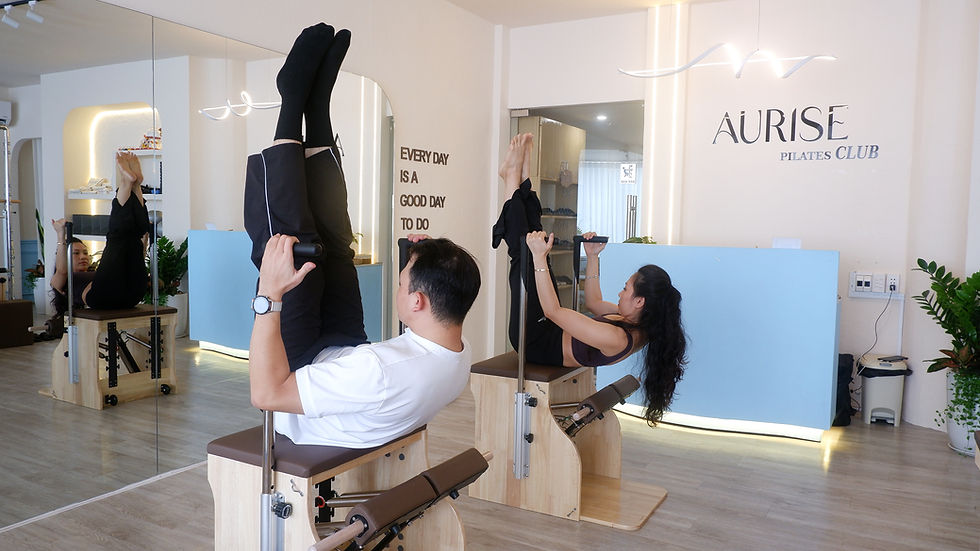
At Aurise Pilates, you can explore a dedicated workout environment featuring Reformer equipment and amenities designed to support your studio experience.
Alongside the training areas, the studio offers changing rooms, shower facilities, and hair dryers, making it easier for participants to freshen up after class.
Whether you're preparing for your first Pilates session or looking for a studio that suits your daily schedule, learning about the classes and facilities beforehand can help you feel more comfortable.
You don't need to know every exercise in advance or expect yourself to perform perfectly on your first attempt.
Start with curiosity, listen to your body, and give yourself time to become familiar with Pilates at your own pace.


Comments